Representation Gap Explorer
The gap measures the distance between what verified constituents say they want and what their representative actually did on the record — vote by vote, issue by issue.
Demonstration data — not a live government record
How the gap is measured
For each tracked issue we pair district sentiment (verified-constituent Public Pulse responses, minimum sample 1K) with the representative's recorded action — a floor vote, cosponsorship, or public commitment. A negative gap means the action ran against majority sentiment; a positive gap means it aligned. The magnitude reflects the size of the majority the action diverged from or matched.
Divergent (acted against majority sentiment)Aligned (acted with majority sentiment)
Read this before drawing conclusions: a representation gap does not prove corruption, capture, or bad faith. Officials sometimes vote against district majorities because of classified briefings, procedural strategy, constitutional judgment, or conscience — all legitimate parts of representative democracy. The gap is a transparency tool that tells you where to ask questions, never a verdict. It is shown for officials of every party using identical methodology.
Gap spotlight

Rep. Mike Johnson
RepublicanLA-04
Congressional stock trading ban
District says
68% support
Rep did
Voted NO
-36 ptsgap
Wider gap than 78% of tracked districts
n = 2.8K verifiedPulse trend
Full profile & methodology Gap entries tracked
16
Widest divergence
-54 pts
Median gap
+19 pts
Verified responses
45.6K6%
Gap Leaderboard
Live6 divergent10 aligned
| Issue | Representative | Party | District sentiment | Recorded action | Gap (pts) | Sample |
|---|---|---|---|---|---|---|
| Prescription drug price negotiation | 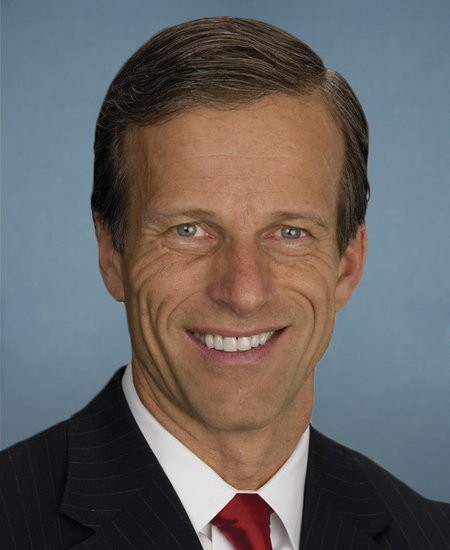 Sen. John ThuneSouth Dakota Sen. John ThuneSouth Dakota | R | 77%support | Voted NO on negotiation expansion (simulated) | -54 | 3.5K |
| Congressional stock trading ban | Rep. Mike JohnsonLA-04 | R | 68%support | Voted NO on H.R. 1234 (simulated) | -36 | 2.8K |
| AI accountability framework | 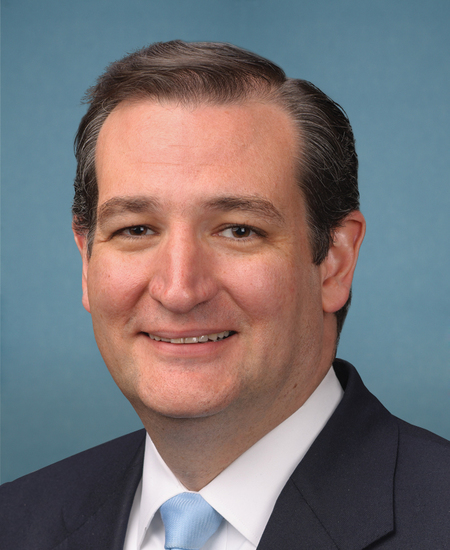 Sen. Ted CruzTexas Sen. Ted CruzTexas | R | 58%support | Opposed federal AI audit framework (simulated) | -24 | 4.1K |
| Congressional stock trading ban |  Rep. Jim JordanOH-04 Rep. Jim JordanOH-04 | R | 61%support | Voted NO on H.R. 1234 (simulated) | -21 | 2.2K |
| Congressional stock trading ban | 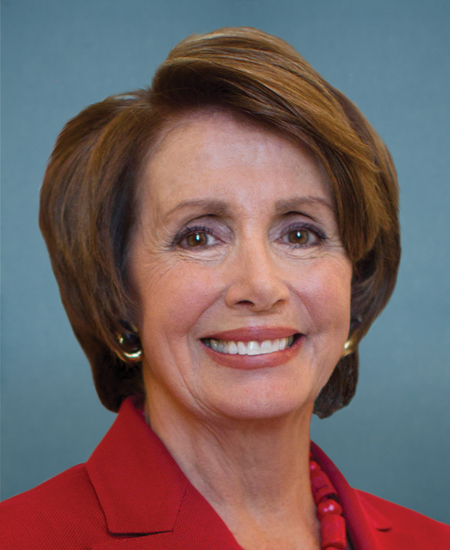 Rep. Nancy PelosiCA-11 Rep. Nancy PelosiCA-11 | D | 74%support | Delayed support before final YES (simulated) | -18 | 2.7K |
| Prescription drug price negotiation |  Sen. Susan CollinsMaine Sen. Susan CollinsMaine | R | 71%support | Voted NO on expansion; backed insulin cap (simulated) | -12 | 3K |
Minimum sample size: issues appear here only when at least 1K verified constituents in the district or state have responded on the question. Smaller samples are collected but withheld from the leaderboard to avoid overstating noisy sentiment.
Neutral by construction: both parties appear among the largest gaps and the most aligned entries. Every figure on this page is demonstration data about fictional officials, generated with identical rules for each party.