Will Congress enact a ban on congressional stock trading before January 3, 2027?YES 34% 3%Will cannabis be federally legalized or descheduled before January 1, 2029?YES 58% 2%Will there be a federal government shutdown before October 1, 2026?YES 41% 5%Will Republicans keep control of the U.S. House in the 2026 midterms?YES 52% 1%Will the Senate confirm a Supreme Court nominee in 2026?YES 71% 2%Will a federal minimum wage increase be enacted before January 1, 2028?YES 22% 1%Will Congress enact a comprehensive federal AI framework law before January 1, 2028?YES 47% 4%Will a comprehensive border security bill become law before January 2027?YES 62% 1%Will Democrats win control of the U.S. Senate in the 2026 midterms?YES 44% 2%Will the Republican candidate win Ohio's 2026 U.S. Senate race?YES 58% 3%Will the Federal Reserve cut its policy rate at the July 2026 FOMC meeting?YES 68% 9%Will the NBER declare a U.S. recession beginning in 2026?YES 24% 3%Will Medicare drug-price negotiation be expanded to 30+ drugs before 2028?YES 36% 2%Will pandemic-era Medicare telehealth flexibilities be made permanent before 2027?YES 74% 1%Will Congress enact a ban on congressional stock trading before January 3, 2027?YES 34% 3%Will cannabis be federally legalized or descheduled before January 1, 2029?YES 58% 2%Will there be a federal government shutdown before October 1, 2026?YES 41% 5%Will Republicans keep control of the U.S. House in the 2026 midterms?YES 52% 1%Will the Senate confirm a Supreme Court nominee in 2026?YES 71% 2%Will a federal minimum wage increase be enacted before January 1, 2028?YES 22% 1%Will Congress enact a comprehensive federal AI framework law before January 1, 2028?YES 47% 4%Will a comprehensive border security bill become law before January 2027?YES 62% 1%Will Democrats win control of the U.S. Senate in the 2026 midterms?YES 44% 2%Will the Republican candidate win Ohio's 2026 U.S. Senate race?YES 58% 3%Will the Federal Reserve cut its policy rate at the July 2026 FOMC meeting?YES 68% 9%Will the NBER declare a U.S. recession beginning in 2026?YES 24% 3%Will Medicare drug-price negotiation be expanded to 30+ drugs before 2028?YES 36% 2%Will pandemic-era Medicare telehealth flexibilities be made permanent before 2027?YES 74% 1%
Legislation Tracker
S. 1440Passed SenateVeteransHealth CareMental Health

Expand mental health care and crisis staffing for veterans

Veterans Mental Health Access Act

Introduced
Committee
Passed House
4
Passed Senate
5
Law

Plain-language summary

AI

This bill addresses VA mental-health wait times by funding 3,000 new clinicians with rural placement bonuses, automatically enrolling every separating service member in one year of mental-health coverage without a paperwork gap, and setting a staffing-backed 30-second answer standard for the Veterans Crisis Line. It passed the Senate 91–7 in May 2026 and awaits House committee action.

AI-generated explanation. Review the official text and official sources before drawing conclusions — summaries can omit important detail.

The strongest case on each side

Strongest argument for

The transition out of uniform is the highest-risk window for veteran suicide, and today enrollment gaps mean care often lapses exactly then. Automatic enrollment plus guaranteed crisis-line staffing targets the documented failure points rather than adding another study.

Strongest argument against

The VA has struggled for a decade to fill the clinician positions it already has authorized; appropriating 3,000 more slots without fixing pay-scale and credentialing bottlenecks may produce vacancies, not care. Community-care alternatives could reach rural veterans faster than new federal hiring.

Both cases are presented in their strongest form. Quorly does not take a side.

What it changes — and what it doesn't

What it changes
  • Funds 3,000 additional VA mental-health clinicians with rural bonuses
  • Automatic one-year mental-health enrollment for all separating service members
  • Staffing-backed 30-second answer standard for the Veterans Crisis Line
What it does NOT change
  • Does NOT change disability-rating criteria or benefits formulas
  • Does NOT alter community-care eligibility rules

Recorded votes

Senate Vote Passed
98 votes cast
91
7
YEANAY
Democrats
36 yea · 4 nay
Republicans
55 yea · 3 nay

Party breakdown is an estimated demonstration visual.

Timeline

  1. May 13, 2025
    Introduced in the Senate by Sen. Thomas Reed (R)
  2. Sep 30, 2025
    Reported out of Veterans' Affairs Committee unanimously
  3. May 19, 2026
    Passed the Senate, 91–7
  4. Jun 2, 2026
    Referred to House Veterans' Affairs Committee

Discussion

3 comments
L
Liberty1776Top Forecaster3h

The committee calendar is the tell here. Watch whether a markup actually gets scheduled before the August recess — floor speeches are noise, markup dates are signal.

D
DataDrivenAnalyst6h

Cosponsor count has been the best single predictor in my model this cycle. Cross the ~200 mark in the House and passage odds roughly double, controlling for committee.

P
PolicyOracle1d

Worth reading the strongest-against section before taking a position — the implementation questions are where most bills like this actually stall, not the politics.

Sponsor
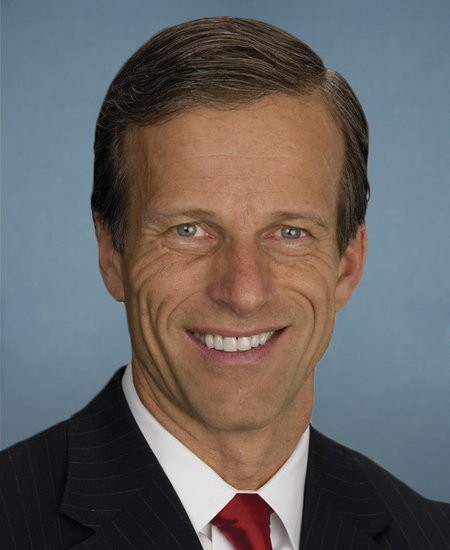
Official portrait of Sen. John Thune
Sen. John Thune
RRepublican
68cosponsors
Senate Veterans' Affairs
House Veterans' Affairs

Community sentiment

Live
74%
of respondents support this bill
Support
74%
Oppose
18%
Not sure
8%

Public Pulse demonstration sample · not a scientific poll

Related forecast markets

No linked forecast markets for this bill yet.

Forecasts use virtual Q Credits with no cash value. Market probabilities reflect participant expectations and can be incorrect.
Demonstration data — not a live government record